
 By
By 
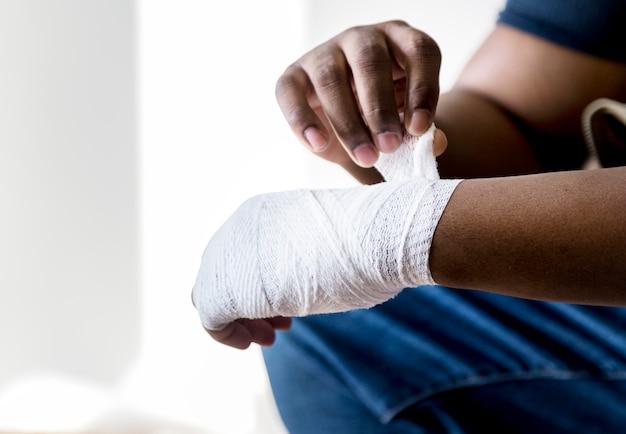
The first good day can be misleading. Someone walks a little farther, sleeps better, or manages a task without help and thinks, “Maybe I am finally getting back to normal.” Then the next morning brings pain, fatigue, or a new problem. Progress suddenly feels like it has disappeared.
This pattern can be frustrating. Recovery is often shaped by more than the original injury. Work may still be difficult. Family responsibilities may have changed. Driving may feel different. Even simple plans can require more thought than they did before.
Key Takeaways
- Recovery can involve progress, setbacks, and periods of adjustment.
- Physical improvement does not always mean daily life has returned to normal.
- Pain and fatigue can affect work, relationships, sleep, and independence.
- Emotional reactions may continue even after visible injuries improve.
- Returning to old routines too quickly can sometimes create additional frustration.
- Keeping track of meaningful changes can make the recovery journey easier to understand.
- · Legal and medical professionals address different parts of the aftermath.
For a Henderson personal injury lawyer, these everyday changes can become part of the larger picture of how an injury has affected a person’s life. The impact may show up in missed work, altered routines, added expenses, or activities that are no longer as easy as they once were.
A Better Day Does Not Always Mean a Finished Recovery
Recovery rarely follows a clean weekly schedule. Someone may feel strong enough to return to work, only to discover that sitting, standing, lifting, or concentrating for several hours is harder than expected.
That does not erase earlier progress. It simply shows that healing can expose different challenges at different stages.
The same thing can happen with everyday activities. Cooking dinner may feel manageable one day and exhausting the next. A short drive may be comfortable, while a longer trip causes discomfort. These changes can make people question whether they are actually improving. Often, the answer is more complicated than yes or no.
The Old Routine May No Longer Fit
Before an injury, daily life may have run on autopilot. Work started at a certain time. Children had activities. Errands happened on the way home. Weekends included exercise, social plans, or hobbies.
An injury can disrupt that rhythm. A person may need more breaks. Someone else may have to take over household tasks. A former hobby may need to be paused or changed. Even getting ready for work can take longer.
Returning to normal, then, may not mean doing everything exactly as before. It may involve finding a workable version of familiar routines while the body continues to recover.
Work Can Make Recovery Feel More Complicated
Going back to work is often treated as a major sign of progress. It can be one, but it does not necessarily mean everything is back to normal.
Someone may return with reduced hours. Another worker may avoid certain tasks. Concentration may be harder after poor sleep or ongoing discomfort. A physically demanding job can create challenges that are not obvious from the outside.
These changes can also affect confidence. A person who once handled a full workload easily may feel frustrated when ordinary duties suddenly require more effort. Work records, schedules, and notes about changed responsibilities can help preserve what that period actually looked like.
Emotional Recovery Has Its Own Pace
The body may heal while the mind remains cautious. Someone involved in a serious crash may become nervous while driving. A person injured at work may feel uneasy returning to the same environment. Others may become frustrated because they feel dependent on family members.
These reactions can be difficult to explain to people who were not there. Emotional recovery is not always visible, either. A person can appear fine while privately dealing with fear, poor sleep, irritability, or uncertainty about the future. Support from a qualified mental health professional may be useful when these feelings begin interfering with daily life.
Setbacks Can Change the Plan
A setback does not necessarily mean something has gone wrong with the entire recovery. A new symptom may require another appointment. Treatment may take longer than expected. A person may need to reduce activities for a period and build back gradually.
These moments can feel discouraging because they interrupt the expectation of steady improvement. Yet adjusting the plan can be part of dealing with an injury realistically.
Keeping medical appointments and treatment instructions organized can make it easier to see how recovery has developed over time.
Some Changes Become Part of the New Routine
Not every injury ends with a perfect return to the old routine. Sometimes people adapt instead. A person may change how they exercise. Someone may reorganize household tasks. Another person may choose a different way to commute. These changes can feel significant at first but eventually become ordinary.
That adjustment does not make the original impact unimportant. It shows how people find practical ways to move forward when circumstances have changed.
Where the Legal Picture Fits
The emotional and practical effects of an injury can also matter when someone is trying to understand the broader consequences of an accident.
Legal counsel may look at medical records, work information, expenses, and other documentation to understand how the injury affected daily life. A personal injury attorney is not there to determine whether someone has emotionally “recovered.” Instead, legal evaluation can help place documented losses and disruptions into their proper context. The details matter because every recovery looks different.
Normal May Need a New Definition
Getting better does not always mean reaching the exact life someone had before an injury. Sometimes it means regaining independence. Sometimes it means returning to work with reasonable changes. Sometimes it means learning which activities are possible now and which need more time.
Recovery can move forward, pause, and change direction. That does not make the progress meaningless.
It simply means healing is a process rather than a finish line. The goal is not always to recreate yesterday. It can be to build a life that works again, one step at a time.












Comments